
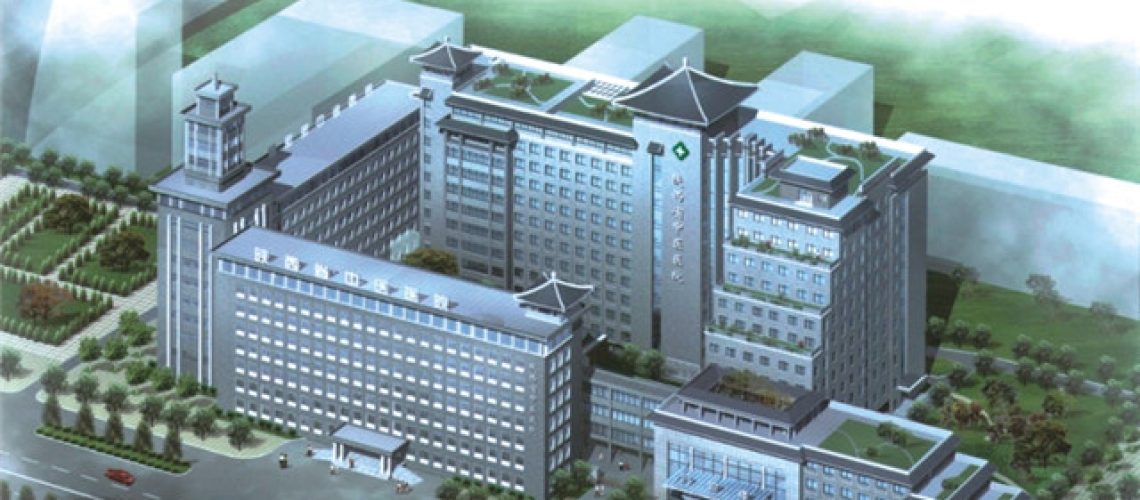
In 2026, as China continues its ambitious journey to revitalize traditional medicine, the northwestern provinces of Gansu and Shaanxi have emerged as the definitive bastions of Han-Chinese Traditional Chinese Medicine (TCM). While other regions have specialized in ethnic minority practices, Gansu and Shaanxi have focused on scaling up massive networks of Han-Chinese TCM hospitals, effectively creating a modern medical corridor that preserves thousands of years of mainstream herbal and clinical history.
Shaanxi province, historically the starting point of the Silk Road and a center for medical innovation since the Tang Dynasty, currently maintains one of the highest concentrations of TCM hospitals in the country. By 2026, the province has successfully expanded its infrastructure to include nearly 200 dedicated TCM hospitals, boasting over 35,000 beds. These institutions are not merely local clinics; they are world-class research and treatment centers, such as the Xi’an Hospital of Traditional Chinese Medicine, which serves as a national model for integrating classical Han-Chinese therapies with modern medical imaging. The focus in Shaanxi has been on operational efficiency and “smart” hospital management, ensuring that its vast technician workforce can meet the diagnostic needs of an increasingly health-conscious urban population.
Neighboring Gansu province has paralleled this growth, solidifying its status as a “national hub” for the TCM industry. With over 170 TCM hospitals, Gansu has leveraged its unique position as a primary source for authentic medicinal herbs to build a vertically integrated healthcare system. In 2026, the Gansu Provincial Hospital of TCM in Lanzhou stands as a testament to this scale, leading the nation in standardized herbal compounding and the development of clinical protocols for chronic disease management. The province’s large-scale hospital network is a deliberate part of its “National TCM Industry Comprehensive Reformation Pilot Zone” strategy, which aims to make TCM a pillar of both public health and economic growth.
Together, these two provinces serve as the engine for Han-Chinese medical preservation. In 2026, their hospitals are at the forefront of a national standardization plan that seeks to codify 180 domestic TCM standards by year-end. By maintaining large numbers of highly specialized hospitals, Gansu and Shaanxi provide a critical laboratory for these standards, proving that traditional rebeccasingsonmd.com healing can be scaled to meet the demands of 21st-century healthcare. As these provinces continue to export their expertise along the Belt and Road, they are ensuring that the classic lineage of Han-Chinese medicine remains a vibrant and accessible force in global wellness.
